The Rural Arrival Sequence
On rural land, the property does not begin at the front door. It begins at the turnoff. Everything between the main road and the threshold is the arrival sequence. The last stretch of road. The mouth of the driveway. The curve, the climb, the clearing. Where you park and how far you walk from there. Most owners never think about it as a designed thing, because every piece of it is filed under infrastructure. But it is the first experience anyone has of the property, and it sets the terms for everything after.
DAte

It works by contrast
Arrival registers as a change. That is the whole mechanism.
The feeling people are chasing on rural land is the sense of having left somewhere else. That feeling is not produced by the house. It is produced by the distance and difference between the road you were just on and the place you end up. If the driveway is a short straight run from pavement to parking, there is no transition to feel. You were in the car, and then you were at a building.
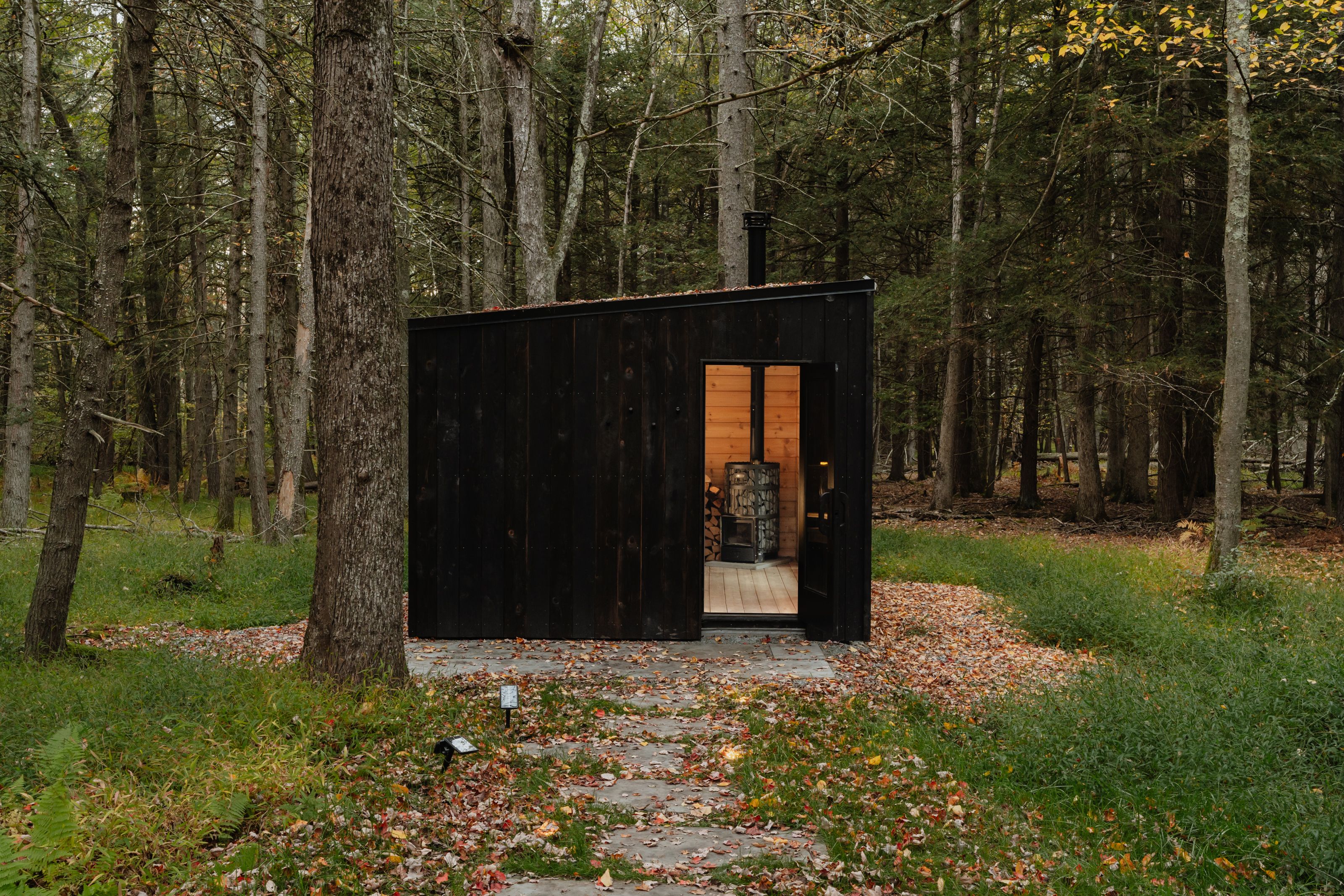
The fix is rarely expensive. A bend that takes the road out of view. A stand of trees you pass through before the site opens up. A short walk from the parking area to the door through tall grass. A gate that does nothing functional but marks a line. Each one is a small act of leaving.
Concealment, then release
The reliable move is to withhold the view and then give it.
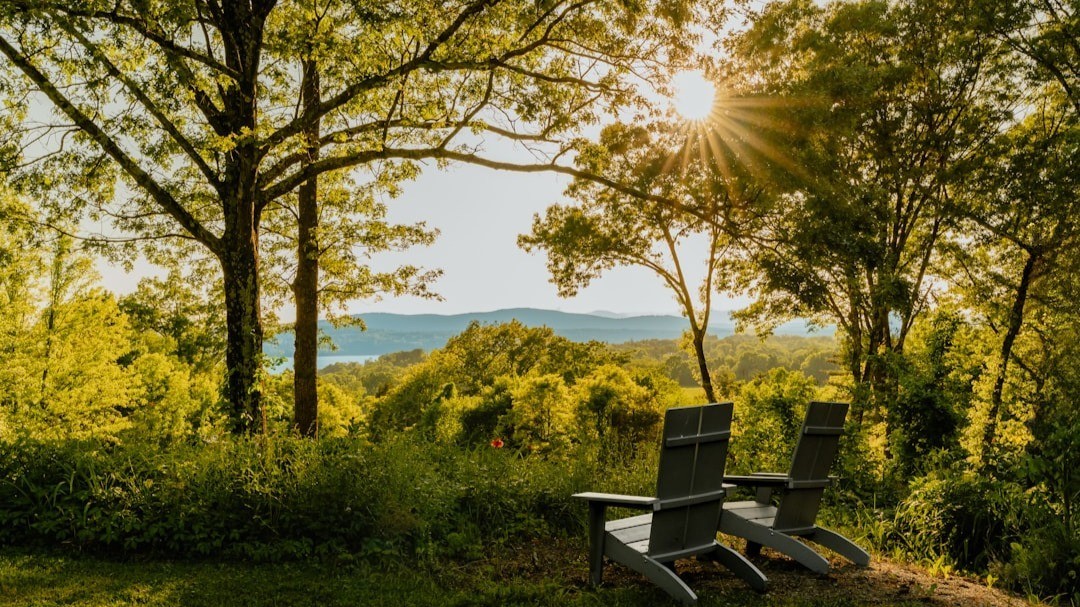
If the house and the best view are both visible from the road, the property spends its best card before anyone has arrived. Route the drive so the site is hidden for most of the approach, then open it at one point, ideally the last one. A clearing that arrives at the right moment does more for a property than most of what happens inside it.
The same logic applies to the pause. Somewhere between the car and the door there should be a spot where the natural thing to do is stop and look at something. That is where the shoulders drop.

Let the infrastructure follow the land
A driveway routed purely for cost takes the shortest line at the lowest grade, and it reads that way. A driveway routed with the sequence in mind follows contour, bends around what is already there, and uses the topography that was going to complicate the site anyway.
The two are usually closer in price than people expect, because the expensive parts of a driveway are length and earthwork, not curvature. Following the land often means moving less of it.
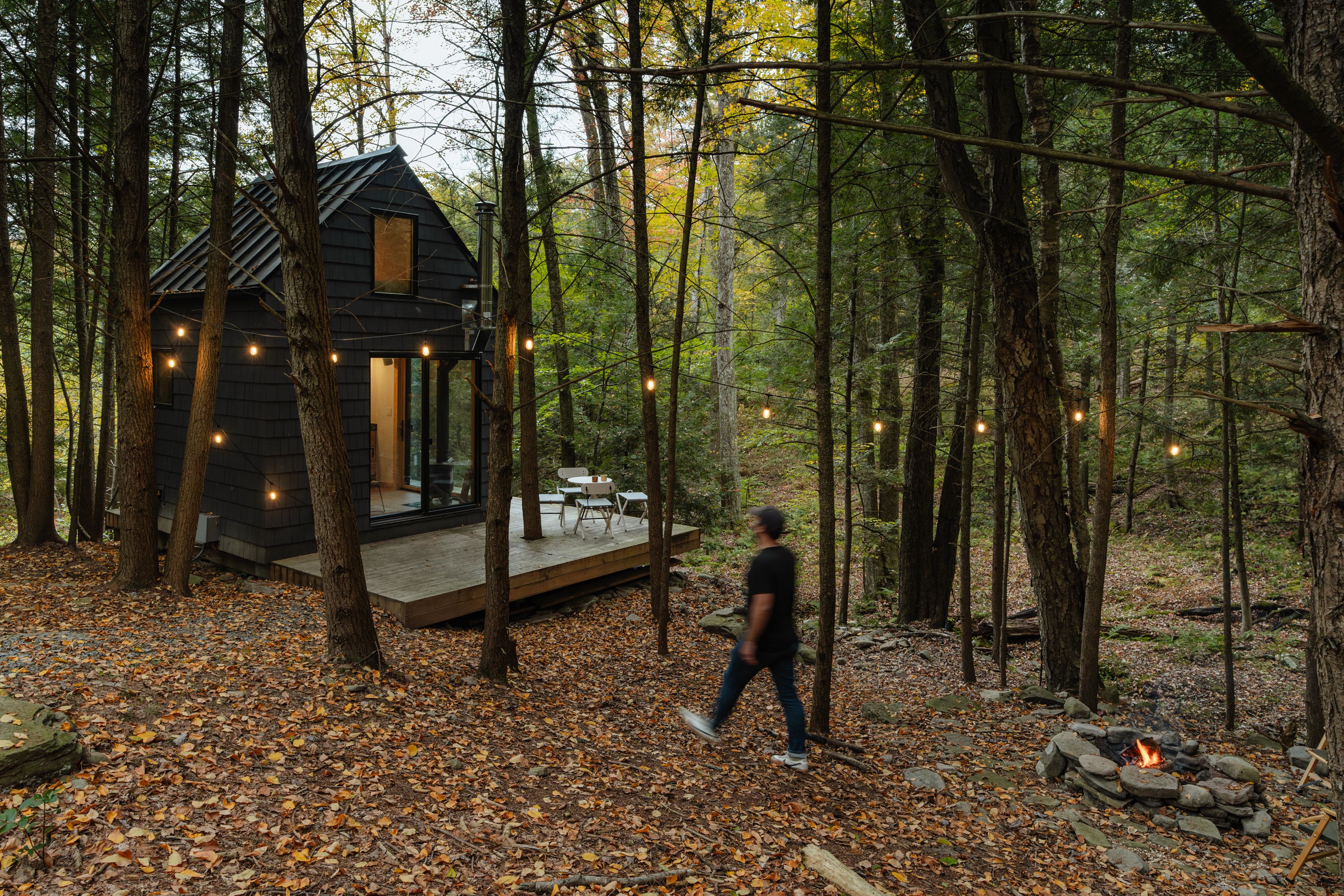
When it is done well the result does not read as design. It reads as inevitability, like the house grew out of the site instead of being set down on it.
Why it is worth the attention
This is the cheapest differentiation available on a rural property.
You are paying for the driveway, the clearing, and the parking area no matter what. The only question is whether they were laid out to minimize cost or to produce an effect. One of those choices shows up in photographs, in what guests remember, and in what the property is worth to the next buyer. The other one saves a little on gravel.
It applies to every use. A primary residence, a weekend house, a rental, a small lodge. The arrival sequence is the part of a rural property that people describe when they try to explain it to someone else.
The point
Designing arrival is not about grand entrances or ornament. It is about a handful of decisions on where the road goes, what it hides, and where it finally lets you see.
Get it right and the property greets you before the door ever does.
Author